


Word Office: Docs Reader
4.888.00 Reviews
App Specs
- Version
- 2.1.0
- Updated On
- License
- Free
- Downloads
- 5,000,000+
- Developer
- Galaxy studio apps
- Categories
- Productivity
- Platform
- Android
Screenshots
 Analysis by AppCompare
When I need to make a quick change to a Word document away from my desk, I want to spend my time fixing the file, not figuring out a complicated mobile workspace. That practical need is the clearest reason to consider Word Office: Docs Reader. It is a free productivity app from Galaxy studio apps, and its central appeal is having document reading, editing, syncing, and sharing available from a phone. I’d treat it as a handy companion for everyday document tasks rather than a full replacement for a desktop office setup.
Getting Started with Word Office: Docs Reader
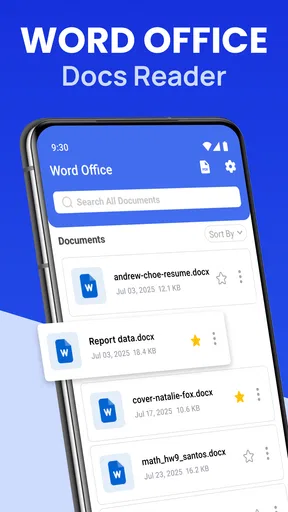
First things first, downloading Word Office: Docs Reader is a breeze. Available on both Android and iOS, it doesn’t take up much space, which is always a plus. Once installed, you’re greeted with a clean and intuitive interface. Honestly, I hate it when apps feel cluttered, but this one keeps it simple and to the point.
The app is rated for Everyone, and its current version is 2.1.0, with Android support starting at version 5.0. Its average is 4.6 from around 18,000 ratings, and it has passed one million installs. Those figures suggest plenty of people have tried it, but I’d still judge it by whether it suits your own files and routine. The app is free to start, with optional in-app purchases ranging from $0.99 to $99.99 per item, so check any purchase details carefully before paying.
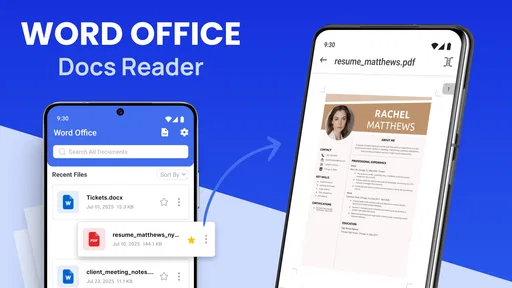
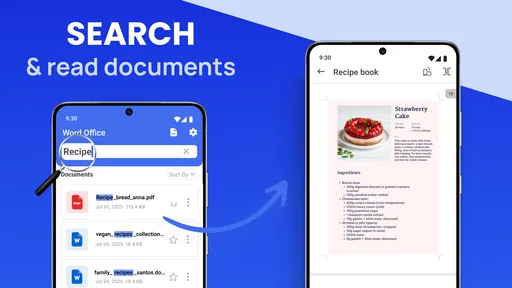
I started by importing a few documents. The app supports a variety of file formats including DOC, DOCX, and PDF, which covers a lot of ground. Importing is straightforward—just a few taps and you’re in. It’s perfect for those moments when you need to quickly pull up a file during a meeting or a class.
Features that Stand Out
One of the coolest features is the app’s ability to edit documents on the fly. Whether you’re fixing a typo or making notes, it’s all very seamless. The editing tools are quite robust for a mobile app. You can change fonts, adjust alignments, and even insert images. It feels like having a mini office suite right in your pocket.
For a more dependable mobile editing habit, I’d keep the original document unchanged until I’ve checked the edited copy. On a phone, small screens make it easy to miss an awkward line break or a misplaced image, even when a change looks fine at a glance. A useful routine is to make only the urgent correction while away, then reopen the file later on a larger screen if layout matters. That is especially sensible for forms, applications, and documents that other people will print or reuse.
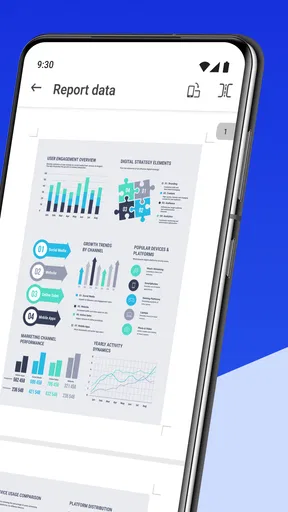
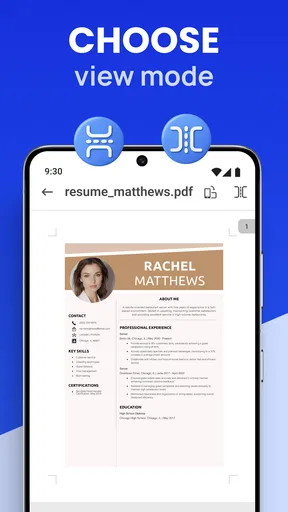
Another handy feature is the built-in PDF reader. I’ve used other apps where PDFs are a nightmare to read, but here, it’s smooth sailing. The text is clear, and you can easily zoom in and out. Plus, it supports annotations, which is a lifesaver when reviewing documents.
Worth Reading Before You Choose

Flipboard Shows What News Apps Must Do Beyond the Feed

Switching to Android Auto Means Rethinking Your Driving Routine

Google Calendar Makes a Crowded Week Easier to Manage

Ludo King Makes the Most of the Minutes Between Plans

Baby Panda World Brings Quick Play to Modern Phones, but Its Game Library Feels Busy

ESPN’s Live Game View Makes Following Close Games Easier
Reading and editing are different jobs, and this is where a phone-based document app can earn its place. If I’m checking a draft for a meeting, I can mark the spots that need attention without trying to rewrite a whole page with a touchscreen keyboard. For longer edits, I’d use a physical keyboard or return to a computer; for a correction, a short note, or a quick wording change, mobile access is the more convenient trade-off.
Collaborative Power
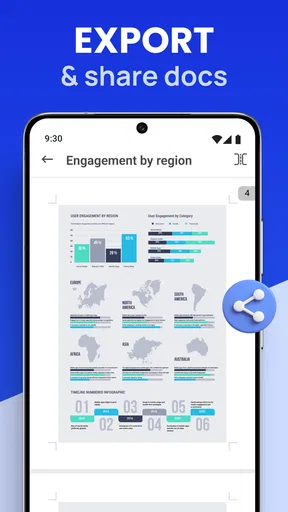
Now, if you’re like me and often work in teams, you’ll appreciate the collaboration features. You can share documents directly through email or via cloud services like Google Drive and Dropbox. It makes coordinating with colleagues or classmates a lot easier. I tested it out with a couple of friends, and it worked without a hitch.
That kind of sharing is useful for handoffs, but I wouldn’t confuse it with live co-authoring. A practical workflow is to agree who is making the next change, send the document to that person, and avoid editing separate copies at the same time. Otherwise, it becomes harder to know which version contains the latest wording. Before sending anything sensitive, I’d also double-check the recipient and the attachment; convenience is no substitute for careful sharing.
Performance and User Experience
Performance-wise, I was pleasantly surprised. The app runs smoothly without any lag, even with larger documents. It’s optimized well, which is crucial for an app that you might need to rely on in a professional setting.
User experience is top-notch. Navigation is intuitive, and the overall design is user-friendly. Even if you’re not tech-savvy, you’ll find it easy to get the hang of things. The developers have clearly put a lot of thought into making the app accessible to everyone.
For example, imagine getting a class handout shortly before heading home and noticing a typo in your own notes. I could open the document, make the correction, and share the revised copy before the evening study session. That is a realistic win for this kind of app: it removes the detour of finding a laptop for a small job. If the task were a heavily formatted report, though, I’d use the phone to review or annotate and save the substantial reworking for a larger screen.
Security and Privacy
In today’s world, security is paramount, and Word Office: Docs Reader doesn’t disappoint. The app ensures that your documents are stored securely and offers options for password protection. It’s reassuring to know that your sensitive files are kept safe.
Even with password protection available, I’d still be selective about what I keep on a mobile device and where I share it. A password is one useful layer, not a reason to treat every file as risk-free. For documents containing personal or work information, check the protection options and sharing destination before sending, and avoid passing around multiple copies when one clearly named version will do.
Choosing the Right Document Workflow
Compared with using a general file viewer, this app is more appealing when I need to make an actual change rather than simply look at a page. Compared with a desktop word processor, its advantage is convenience, not the room or precision needed for extensive formatting. I’d use it for quick edits, reading, annotations, and sending a document onward. If my main need were long-form writing, detailed page layout, or careful final proofing, I’d choose a computer-based editor instead.
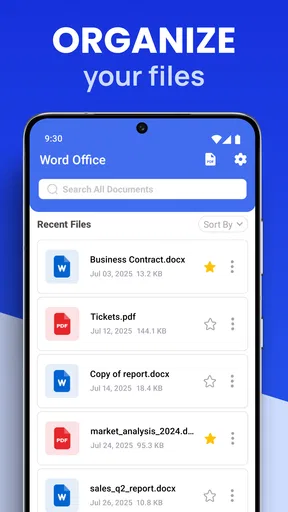
It is also worth thinking about how you already store your files. A document app is most useful when you can locate the right copy quickly, so I’d settle on a consistent folder or cloud-storage routine rather than scattering versions across messages and downloads. When a file comes from someone else, open and check it before editing; when you send your own, use a clear filename so the recipient can distinguish it from an earlier draft. These small habits prevent more confusion than any quick formatting trick can fix.
Who Will Get the Most from It
I can see this being a good fit for students who need to review class documents, people who handle simple office files while commuting, and anyone who often receives a document and needs to make a modest change before returning it. It is less suitable as the only tool for someone producing polished reports all day, or for anyone whose work depends on precise page design. If you mainly read rather than edit, a dedicated reader may be simpler; if you collaborate continuously on the same live file, a service built around simultaneous editing may suit you better.
Before relying on it for an important deadline, I’d test the exact kind of document I expect to use and confirm that the edited result looks right when reopened. That quick check answers the practical questions that matter: can I find my file, make the change I need, and share the correct version? It also helps reveal whether my own workflow is a good match before I depend on it in a meeting or class.
Final Thoughts
All in all, Word Office: Docs Reader is a fantastic tool for anyone needing a reliable document management app. Whether you’re a student, a professional, or just someone who loves staying organized, it’s got you covered. It’s versatile, easy to use, and remarkably efficient.
So next time you’re scrambling to find a way to open or edit a document on your phone, give this app a whirl. You might just find it to be the perfect companion for your digital document needs.
Pros
- User-friendly interface for easy navigation.
- Supports multiple file formats seamlessly.
- Offline access to downloaded documents.
- Fast document loading and rendering.
- Integrated cloud storage options.
Cons
- Limited advanced editing tools available.
- Occasional ads can disrupt workflow.
- Lacks real-time collaboration features.
- Requires subscription for premium features.
- Some file formats may not render perfectly.
FAQs for Word Office: Docs Reader
What are the main features of Word Office: Docs Reader?
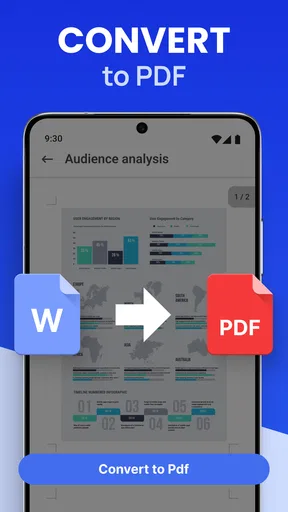
Word Office: Docs Reader allows users to view, edit, and manage various document formats, including DOC, DOCX, and PDF. It offers a user-friendly interface with tools for text formatting, file conversion, and cloud storage integration. The app supports seamless sharing and collaboration, making it ideal for both personal and professional use.
Is Word Office: Docs Reader compatible with all devices?
Word Office: Docs Reader is designed to work on most Android and iOS devices. However, it's essential to check the app's compatibility with your device's operating system version. Regular updates ensure improved performance and expanded compatibility, but older devices might experience some limitations in functionality.
Does Word Office: Docs Reader require an internet connection?
While an internet connection is not necessary for viewing and editing documents, certain features like cloud storage access, online collaboration, and updates do require connectivity. Users can work offline on their files and sync changes once they reconnect to the internet, providing flexibility for on-the-go usage.
Are there any in-app purchases or subscriptions in Word Office: Docs Reader?
Word Office: Docs Reader may offer a free version with basic functionalities. However, to unlock premium features like advanced editing tools, additional cloud storage, or ad-free experience, users might need to make in-app purchases or subscribe to a paid plan. It's advisable to review these options within the app.
How secure is my data in Word Office: Docs Reader?
The app prioritizes user data security by implementing encryption and secure cloud storage options. It's crucial to ensure you download the app from reputable sources such as official app stores. Additionally, users should regularly update the app to benefit from the latest security enhancements and features.


